Survey Weighting Without the Jargon
Survey weighting adjusts response influence so an imbalanced sample better reflects its target population, while preserving every respondent's original answers.
In the full article
Read the video transcript
This transcript was generated from captions and may contain recognition errors.
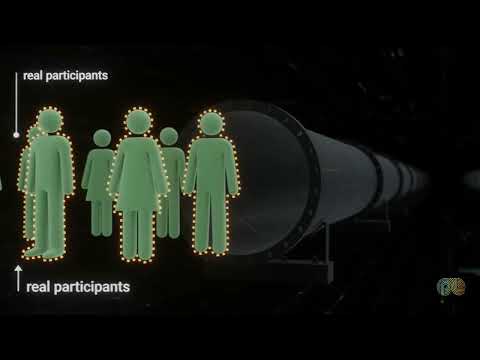
Research findings are most useful when they represent the population a team wants to understand. Survey waiting helps adjust collected data when some groups are represented differently from the broader population. [music] In real research, participation is rarely perfectly balanced. Some groups may respond more often than others, while certain perspectives may appear less [music] frequently. Waiting is a statistical adjustment that gives different responses, different levels of influence during analysis. The purpose is improving representativeness when the sample does not match important characteristics of the target population. Researchers begin by understanding [music] differences between the collected sample and the population of interest. They then apply adjustments based on relevant factors that affect interpretation. [music] Waiting does not fix every research limitation. It cannot replace good sampling design or remove all possible sources of bias. Researchers must also interpret weighted results carefully because adjustments [music] depend on assumptions about the population and available information. [music] The value of waiting comes from creating a more balanced view of the evidence. [music] It helps researchers avoid conclusions that are overly influenced by groups that participated more heavily. Survey waiting is not about changing responses or creating artificial [music] answers. It is about making analytical adjustments that better reflect the intended audience. When used responsibly, [music] waiting improves the usefulness of survey findings and helps researchers make decisions based on information [music] that more accurately represents the population being studied.