Synthetic Respondents and Their Limits
Synthetic respondents can speed up early research exploration and question testing, but they cannot replace real participant evidence for key decisions.
In the full article
Read the video transcript
This transcript was generated from captions and may contain recognition errors.
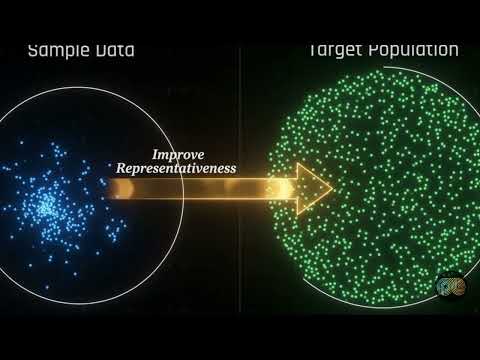
Research teams are exploring new ways to understand human behavior. And synthetic respondents have become an emerging area of interest. These systems attempt to simulate possible participant responses using artificial intelligence, creating opportunities for faster exploration while also introducing important limitations. Synthetic respondents are AI-generated representations that imitate characteristics, opinions, or behaviors of possible users. They can help researchers explore early ideas, test question wording, or identify possible themes before conducting real studies. However, synthetic responses are not the same as genuine human evidence. AI-generated participants are based on patterns learned from existing information, which means they may reproduce assumptions, miss unexpected perspectives, or fail to represent specific communities accurately. Validation is one of the biggest challenges. Researchers need to compare synthetic insights against real participant data, and understand where simulated responses align or differ from actual experiences. Synthetic respondents can be useful for exploration, preparation, and improving research processes. They may help teams generate hypotheses or organize early thinking when direct human research is difficult to conduct immediately. However, important decisions about human needs, behaviors, or experiences require real people. Human motivations often involve emotions, context, changing environments, and personal histories that synthetic systems cannot fully capture. The best approach is treating synthetic respondents as a supporting tool rather than a replacement for human research. They can accelerate certain activities, but reliable understanding still depends on direct evidence from real participants. As AI research methods continue developing, researchers must understand both the possibilities and boundaries of synthetic approaches to maintain trustworthy insights.