Why Enterprises Keep Repeating Research
Repeating research happens when findings are scattered, hard to discover, or stripped of context. Learn how shared knowledge systems reduce duplication.
In the full article
Read the video transcript
This transcript was generated from captions and may contain recognition errors.
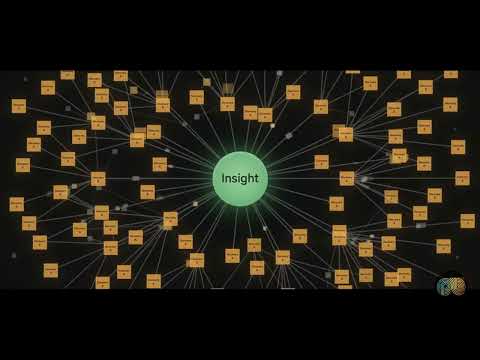
Many organizations invest significant effort in research but still find themselves asking the same questions repeatedly. This often happens because valuable knowledge becomes scattered, difficult to discover or disconnected from decision-making processes. Research repetition commonly occurs [music] when teams cannot easily access previous findings. Reports may exist in different locations, use inconsistent [music] formats, or lack enough context for others to understand their relevance. [music] Knowledge loss also happens when researchers leave teams or when projects end without proper documentation. Important insights can disappear [music] even though significant effort was spent collecting them. Disconnected teams create another challenge because different groups may unknowingly study similar problems. Without shared research systems, organizations lose opportunities to build on [music] existing understanding. Creating lasting research value requires more than storing documents. Teams need systems that preserve context, explain findings, and make insights easy to discover. Reusable research knowledge allows organizations to compare findings, [music] identify patterns, and avoid unnecessary duplication. It [music] turns individual studies into a growing foundation of organizational understanding. [music] The goal is not preventing all repeated research because some questions need fresh investigation. The goal is ensuring that new studies build [music] on previous knowledge instead of starting from zero. Research becomes more valuable when organizations treat it as a long-term asset. Strong knowledge practices help teams learn continuously and make better decisions using accumulated evidence.