 PulseLake
Research and Engineering Collaboration: Closing the Loop
Research and engineering collaboration turns user evidence into practical solutions through shared context, early input, and post-launch validation.
Research and engineering collaboration closes the loop by turning user evidence into technical decisions, then testing whether implemented solutions improve the experience. Researchers clarify problems, context, impact, and expectations; engineers contribute feasibility, constraints, and implementation knowledge. Ongoing exchange keeps solutions practical, testable, and grounded in real user needs.
Without this connection, valuable findings can become detached from implementation, while technically sound changes may miss the original user problem. Collaboration gives both teams a shared basis for deciding what to build, why it matters, and whether it worked. The two-minute video above walks through the core ideas.
What does closing the loop between research and engineering mean?
Closing the loop means connecting the full cycle of understanding a user problem, implementing a response, and evaluating the outcome. Research does not end when findings are delivered, and engineering does not proceed without continued attention to user evidence.
The two disciplines start from different but complementary perspectives. Researchers investigate user problems, behaviors, expectations, and experiences. Engineers determine what can be created within the realities of systems, architecture, performance, timelines, and implementation effort.
A closed loop brings those perspectives together through a repeatable sequence:
- Identify and explain the user problem.
- Explore technically feasible responses.
- Implement the selected solution.
- Test whether the experience improved.
- Feed the learning into the next decision.
This cycle makes successes and failures useful. A successful change indicates what may be retained or expanded, while an unsuccessful change can reveal a mistaken assumption about the problem or proposed solution.
How should research findings be translated for engineers?
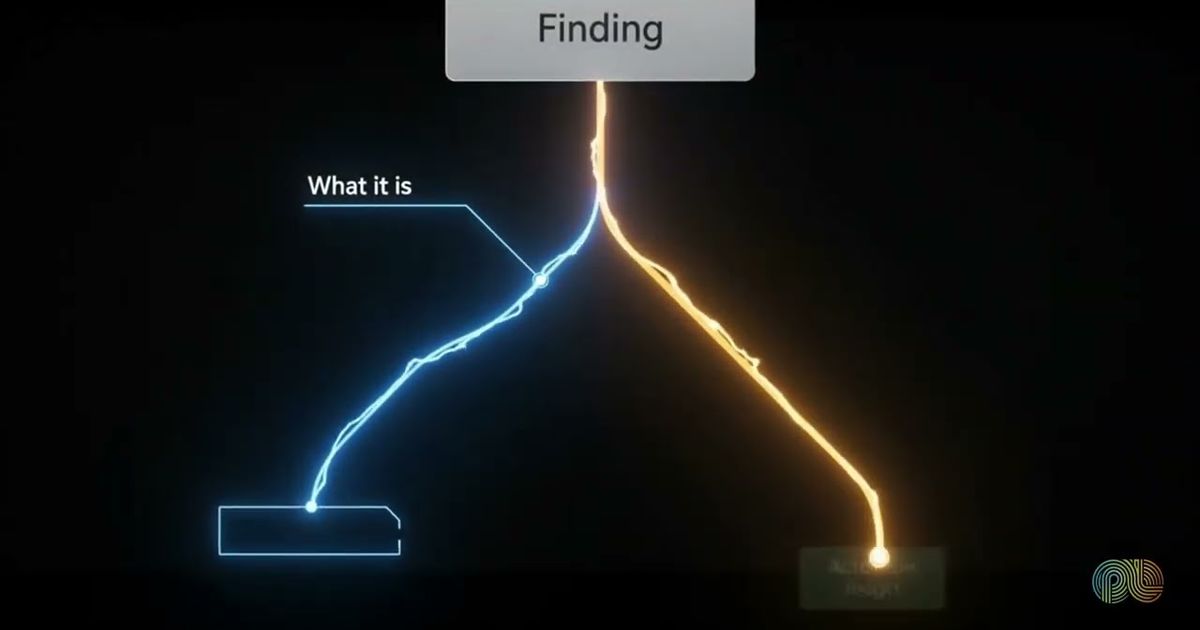
Research findings should explain the user problem clearly enough for engineers to evaluate possible responses. Useful findings include context, impact, evidence, and user expectations rather than presenting an isolated observation or unsupported feature request.
A practical finding should answer four questions:
- What is happening? Describe the behavior, obstacle, unmet need, or experience observed.
- Where does it happen? Identify the relevant task, environment, user group, or journey stage.
- Why does it matter? Explain the effect on users, their goals, or the broader experience.
- What do users expect? Clarify the desired outcome without prescribing the implementation.
For example, “users dislike the setup flow” gives engineers little direction. A stronger finding might explain that new users cannot tell whether setup is complete, return to earlier steps, and expect clear confirmation before continuing. Engineers can then compare feasible ways to address the underlying uncertainty.
This problem-focused format separates evidence from recommendations. It also supports research that produces actionable answers by giving decision-makers enough clarity to evaluate options without overstating what the evidence proves.

When should researchers and engineers collaborate?
Researchers and engineers should collaborate throughout development, beginning before the research plan or solution direction is fixed. Early participation reveals technical constraints and opportunities while teams can still adjust the questions, scope, and possible response.
During planning, engineers can explain current system behavior, implementation complexity, and assumptions that need examination. Researchers can use that context to investigate decision-relevant user questions rather than focusing on issues the team cannot address.
During analysis and development, engineers may help distinguish a visible symptom from deeper system behavior. Researchers can clarify evidence as tradeoffs emerge and check whether proposed changes still address the original need. Short, regular exchanges reduce the risk of misunderstandings becoming implementation decisions.
The goal is not for research to dictate implementation or for engineering to redefine user needs. Combining technical knowledge with user evidence produces decisions that are both practical and aligned with real experiences.
How can teams maintain a continuous feedback cycle?
Teams maintain a continuous feedback cycle by defining the intended improvement, validating implemented changes, and carrying the results into future work. Delivery is a checkpoint in learning rather than the end of research.
Before implementation, connect the proposed solution to the original finding and agree on what should improve. This creates a traceable line from the user problem to the technical decision. Validation may use follow-up interviews, usability evaluation, behavioral data, support feedback, or an appropriate combination.
After release, examine whether the change improved the intended experience and introduced any new friction. A solution can work technically while leaving the user problem unresolved. It may also benefit users in ways the team did not anticipate.
Document what changed, what evidence was collected, and what the team learned. Preserving this context supports later decisions and prevents repeated investigation of the same issue. It also helps teams connect related evidence when understanding product friction through research.
Regular communication keeps the cycle active. Researchers share new evidence, engineers explain changing constraints, and both teams revisit assumptions as the product and user environment evolve.

Key takeaways
- Research and engineering collaboration connects user understanding with feasible technical execution.
- Useful findings explain the problem, context, impact, evidence, and user expectations.
- Early engineering involvement can reveal constraints and opportunities that sharpen research decisions.
- Implemented changes should be validated against the original user problem.
- Continuous feedback helps teams learn from successful and unsuccessful outcomes.
How PulseLake helps
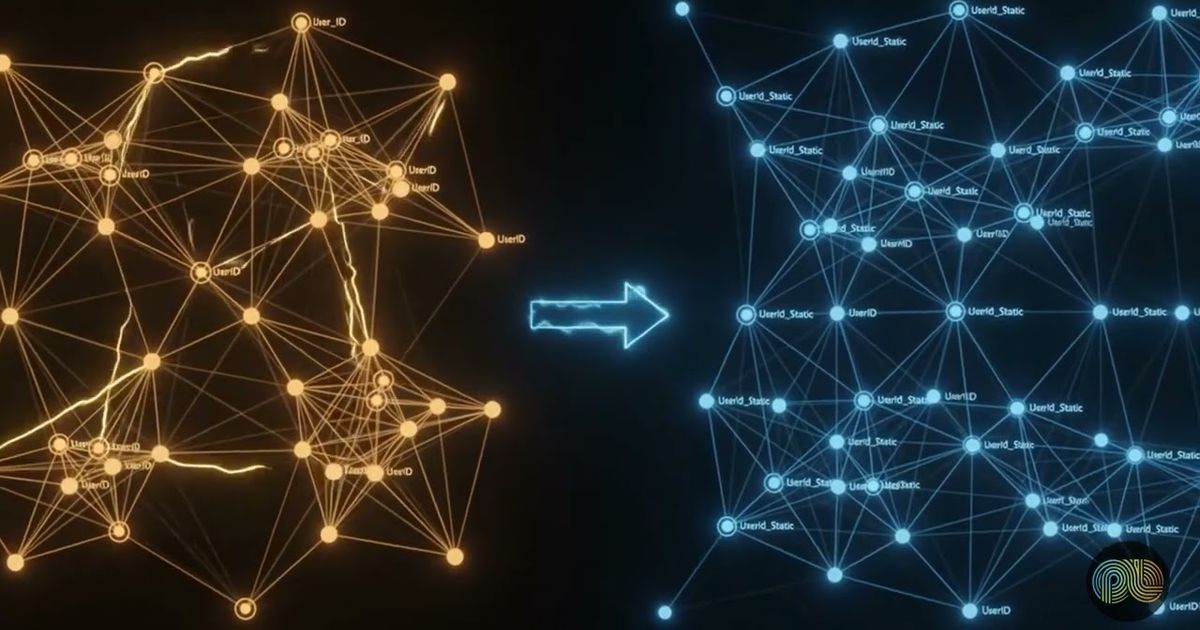
PulseLake keeps research objectives, methodology, evidence, and decisions in one persistent study context, helping teams preserve the connection between user findings and downstream action. Its research knowledge graph, cross-study search, delivery tools, and workflow automation can support evidence retrieval, reporting, approvals, and follow-up while researchers retain judgment. To discuss collaboration across research and technical teams, talk to our team.
Frequently asked questions
What information should a researcher include when sharing a finding with engineers?
A finding should identify the user problem, the context in which it occurs, its impact, the supporting evidence, and the outcome users expect. It should distinguish observations from interpretations and recommendations. This gives engineers enough information to assess technical options without forcing a solution that may not fit the system.
Should engineers be involved before a research study begins?
Engineers should often participate in planning when research concerns an existing product, workflow, or technical system. They can identify constraints, known system behavior, implementation questions, and assumptions worth testing. Researchers still choose the appropriate methodology and ensure current technical preferences do not unnecessarily narrow the study.
How can a team tell whether an engineering change solved the user problem?
The team should compare the implemented experience with the original problem and intended outcome. Follow-up research may combine usability evaluation, interviews, behavioral evidence, or support feedback, depending on the question. Technical completion alone does not demonstrate that the user experience improved.