 PulseLake
Researching API and Documentation Usability
API usability research reveals where developers struggle with documentation and tools. Learn what to test and how to turn findings into fixes.
Researching API and documentation usability means studying how developers search for information, interpret explanations, follow examples and complete real technical workflows, to identify where documentation or interface design creates unnecessary friction. It goes beyond whether a system functions correctly to whether developers can actually understand and apply its capabilities.
This matters because a well-built API can lose adoption entirely to confusing documentation, regardless of how solid the underlying system is. The two-minute video above walks through the core ideas.
What does API usability research examine?
API usability research examines whether developers can understand a system's available capabilities, apply them correctly, and recover when something goes wrong, not just whether the system works as designed. It looks specifically at how developers search for information, interpret explanations, follow examples, and complete common workflows using the documentation provided.
This distinction matters because a technically correct API can still be unusable if developers cannot figure out how to work with it. Functionality and usability are related but separate questions, and testing only one leaves the other unmeasured.
What common problems does this research reveal?
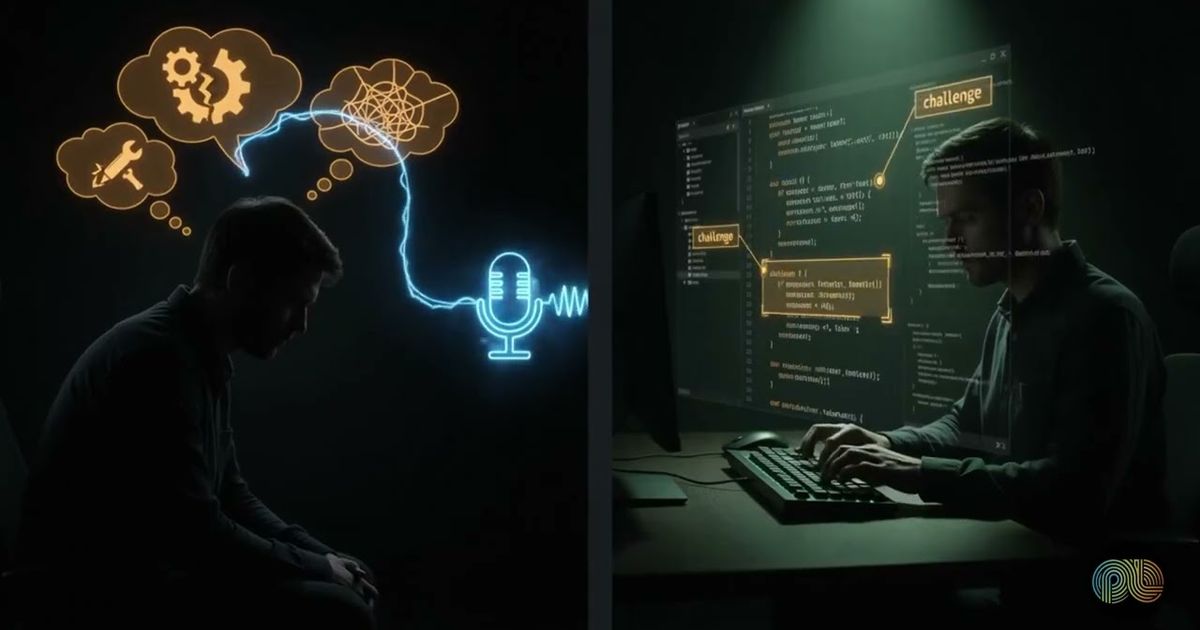
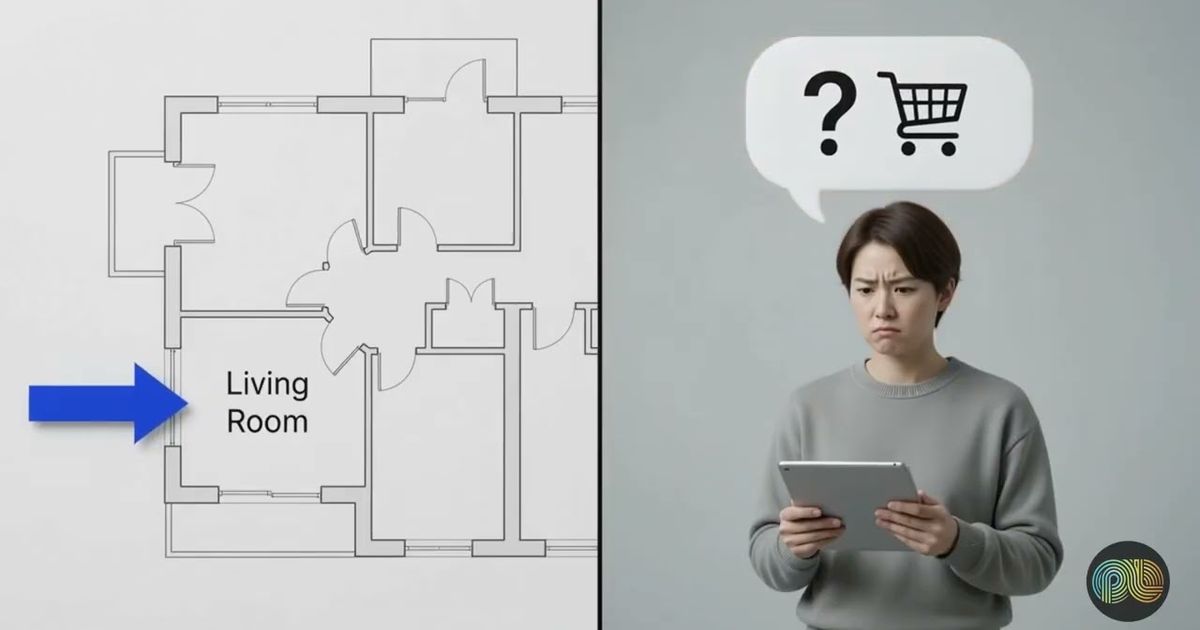
Usability research on APIs and documentation tends to surface a recurring set of problems. Unclear terminology forces developers to guess at meaning instead of finding a clear answer. Missing context leaves developers unsure how a capability fits into a larger workflow. Incomplete examples fail to cover the situations developers actually encounter, and unclear expected processes leave developers unsure what should happen next.
Each of these creates unnecessary effort at exactly the moment a developer is trying to move forward, which is often the point where they either find a workaround, give up, or generate a support request. This is closely related to understanding product friction through research, since documentation problems are simply friction that happens to live in a technical workflow rather than a consumer one.

How should teams test documentation usability?
Task-based testing is the most direct way to evaluate documentation usability, because it shows what developers actually do when trying to solve a real problem rather than what they say they would do. Observing where developers hesitate, make mistakes or need additional support reveals exactly which parts of the documentation are failing them.
This kind of testing also needs to account for different stages of developer experience. Beginners typically need explanations and step-by-step guidance, while experienced developers often need quick references and precise technical detail instead. Documentation that only serves one of these groups will create friction for the other.

How do you turn findings into better documentation?
Research findings need to connect directly to specific improvements rather than simply being collected as general feedback. Instead of gathering broad impressions, teams should identify which specific changes will help developers succeed more consistently across the workflows that matter most.
API and documentation usability research ultimately creates better technical experiences by focusing on real developer needs rather than assumptions about what developers should already know. When information is easier to understand and systems are easier to use, developers can accomplish their goals with less friction and fewer support escalations. This same task-based testing approach also underlies measuring developer experience more broadly, since documentation usability is one component of the larger developer experience picture.
Key takeaways
- API usability research examines whether developers can understand, apply and recover from problems with a system, not just whether it functions correctly.
- Common problems include unclear terminology, missing context, incomplete examples and unclear expected processes.
- Task-based testing reveals what developers actually do, showing hesitation, mistakes and points where they need more support.
- Documentation needs to serve different experience levels, since beginners and experienced developers have different needs.
- Findings should connect directly to specific documentation or interface improvements rather than remaining general feedback.
How PulseLake helps
PulseLake's traditional research mode supports the usability studies and task-based testing that reveal where developers struggle with documentation and technical interfaces, keeping objectives, methodology and evidence together in one persistent study context. Its research intelligence layer preserves findings with evidence provenance, so a documentation problem identified in one study stays traceable and searchable across future research. Teams that want to build a research program around developer-facing documentation and tools can talk to our team.
Frequently asked questions
How is API usability research different from general usability testing?
API usability research applies the same core methods as general usability testing — observation, task-based studies, interviews — but focuses specifically on developers completing technical tasks using documentation, code samples and interfaces rather than typical consumer-facing screens. The obstacles it looks for, such as unclear terminology or incomplete examples, are specific to technical audiences trying to apply a capability correctly.
Why can an API be usable to its builders but confusing to outside developers?
The team that builds an API is deeply familiar with its internal logic and terminology, which makes gaps in documentation invisible to them but immediately confusing to someone approaching the system for the first time. Usability research surfaces these blind spots by observing developers who lack that internal context as they attempt real tasks.
What is task-based testing in the context of documentation research?
Task-based testing means asking developers to complete real workflows using the documentation as it currently exists, rather than asking them to review documentation and give opinions about it. Watching what developers actually do — where they hesitate, what they misread, what they skip — reveals usability problems that a general feedback survey would likely miss.
Should documentation be written differently for beginners versus experienced developers?
Yes. Beginners generally need explanations, context and step-by-step guidance to understand how a capability fits into a broader workflow, while experienced developers often want quick references and precise technical detail without extra explanation. Usability research that includes both groups helps identify where documentation needs to serve each audience differently rather than defaulting to a single format.