 PulseLake
Tree Testing Explained
Tree testing explained: a usability method for checking whether users can find information within a navigation structure before visual design.
Tree testing is a usability research method that evaluates whether people can locate information within a navigation structure, using a simplified, text-only version of that structure before any visual design is finalized. Participants are given realistic tasks and asked to find where specific content lives, which reveals whether categories, labels and hierarchy match how people actually think.
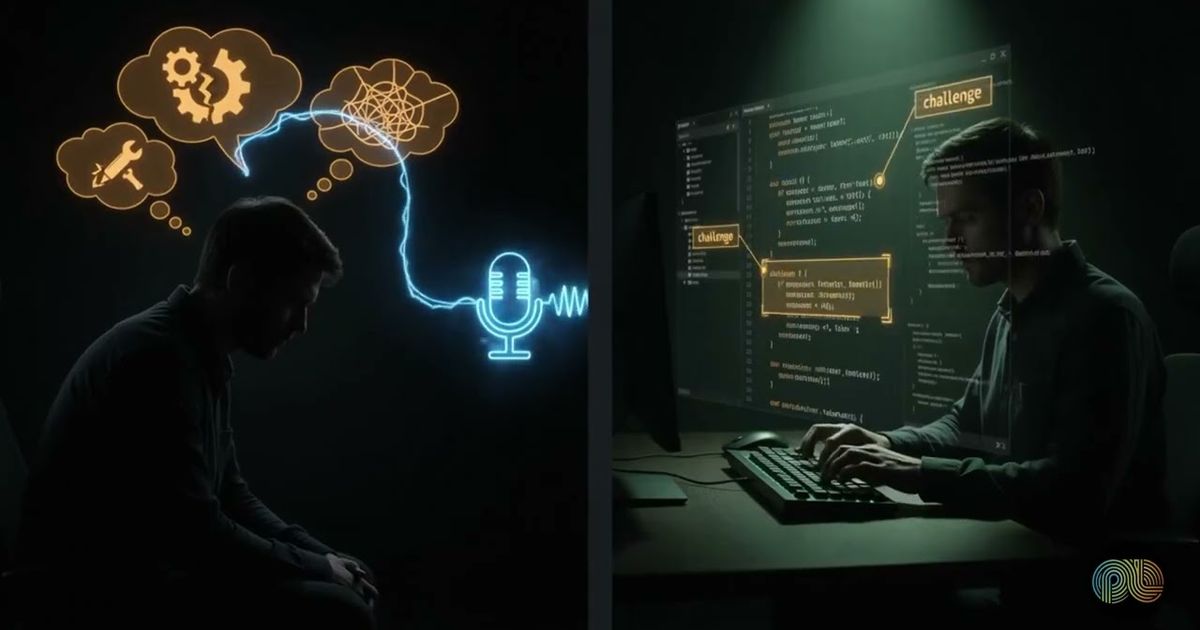
Navigation problems can hide behind a polished visual design, since useful content that people cannot find delivers no value at all. The two-minute video above walks through how tree testing catches these problems early, when they are still cheap to fix.
What is tree testing?
Tree testing is a method for evaluating information architecture on its own, stripped of visual design, color, imagery or layout. Participants see only a text-based hierarchy of category and page names, then attempt to find where a given piece of content would live within it.
Because visual design is removed from the equation, tree testing isolates one specific question: does the structure and the language used to describe it make sense to real users. This makes it a focused complement to broader usability testing rather than a replacement for it.
How does a tree test work?
A tree test works by giving participants specific tasks and asking them to navigate a simplified structure to find where they believe the answer lives, without a visual interface to guide them. Researchers observe where participants succeed, where they hesitate, and where they choose the wrong path entirely.
The typical flow is straightforward:
- Build a simplified, text-only version of the navigation structure being tested.
- Write realistic tasks based on actual user goals, not arbitrary lookup exercises.
- Have participants attempt each task independently, without assistance.
- Record which path each participant took and whether the task succeeded.
- Analyze where navigation broke down and why.

How do you design a strong tree test?
A strong tree test starts with realistic tasks that represent actual goals a user would have, rather than simple, artificial location exercises. Tasks framed around real scenarios reveal genuine navigation behavior instead of just testing whether someone can follow an obvious label.
Recruiting the right participants matters just as much as task design, because different audiences can organize information differently in their own heads. Testing a technical product's navigation with people who match the actual user base produces far more meaningful evidence than testing with an audience unfamiliar with the domain. Understanding product friction through research covers other methods for identifying where a product's structure works against real users.
What do tree test results reveal?
Tree test results reveal whether users understand the categories, labels and relationships used to organize information, and where the structure breaks down against how people naturally think. Consistent failure on a particular task usually points to a specific problem: a confusing category name, information sitting in an unexpected place, or a hierarchy that does not match user expectations.
These findings give researchers concrete direction for improving categories, naming and navigation logic before investing in visual design. Tree testing does not replace other usability research, but it provides focused, early evidence about discoverability that is expensive to gather once a full interface exists. Card sorting for better information architecture covers a complementary method for building the structure a tree test later validates.
Key takeaways
- Tree testing evaluates information architecture using a simplified, text-only structure, separate from visual design.
- Participants attempt realistic tasks, and researchers observe where they succeed or take the wrong path.
- Task realism and appropriate participant recruitment both strongly affect how meaningful the results are.
- Results point to specific structural problems, such as confusing labels or mismatched hierarchy.
- Tree testing complements, rather than replaces, other usability research methods.
How PulseLake helps
PulseLake supports traditional research methods, including advanced usability approaches like tree testing, within the same study context used for objectives, evidence and reporting. That keeps navigation findings connected to the broader product research they inform, rather than living in a separate, disconnected tool. Talk to our team to discuss running a tree test as part of a larger research program.
Frequently asked questions
How many participants does a tree test need?
Tree testing generally requires fewer participants than a full usability test, since it focuses narrowly on navigation success rather than broader interface feedback. The right number depends on how many distinct paths and audience segments need coverage, but even a modest sample can reveal clear, consistent problem areas.
Is tree testing the same as card sorting?
Tree testing and card sorting are related but distinct methods used at different stages. Card sorting helps researchers build a navigation structure by seeing how users naturally group content, while tree testing evaluates whether an existing or proposed structure actually works for finding information.
When in a project should tree testing happen?
Tree testing works best before visual design is finalized, since it is meant to validate the underlying structure while changes are still inexpensive to make. Running it after a full interface is built means any structural problems it uncovers become far more costly to fix.
Can tree testing be used on an existing website or product, not just a new one?
Tree testing works well on an existing product to diagnose why users struggle to find content, not only on new designs. Testing the current structure first can clarify whether a redesign actually needs to change the navigation logic or just the visual presentation.