Research Knowledge Graphs
Research knowledge graphs connect studies, evidence, findings, and decisions, making institutional knowledge easier to trace, retrieve, and reuse over time.
In the full article
Read the video transcript
This transcript was generated from captions and may contain recognition errors.
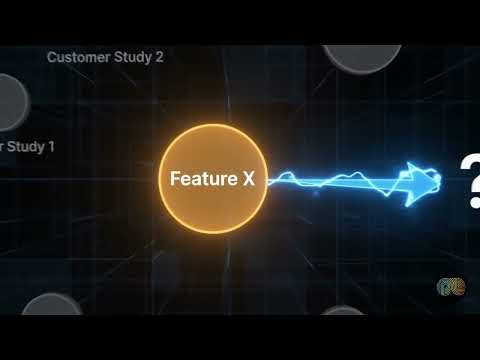
[music] >> Research creates value by revealing connections, [music] yet many organizations store their discoveries in ways that hide those very relationships. Reports may contain excellent insights, but the links between studies, evidence, and decisions often remain invisible. A research knowledge graph changes this by making connections a permanent part of the research system, >> [music] >> rather than something left for people to remember. A research knowledge graph is a structured network where research objects become [music] connected through meaningful relationships. Questions, participants, observations, [music] themes, findings, recommendations, products, and business goals each exist as distinct [music] entities. Instead of being locked inside documents, they are linked together according to how they influence one another. The graph therefore represents knowledge as an evolving network, [music] rather than a collection of independent reports. Suppose several studies investigate customer onboarding over multiple years. A knowledge graph allows researchers to follow relationships between recurring pain points, affected user groups, product changes, and later outcomes without reopening every report individually. As new evidence enters the system, [music] it strengthens or refines existing connections instead of creating another isolated source of information. >> [music] >> This structure also supports more reliable AI-assisted research. Retrieval becomes guided by semantic relationships rather than matching keywords alone. [music] Intelligent systems can identify supporting evidence, explain conflicting findings, [music] and preserve traceability while synthesizing information from multiple studies. The resulting answers remain grounded because every conclusion can be connected back to [music] its underlying evidence. A successful research knowledge graph continues growing alongside the organization. Every study expands the network, [music] Every relationship increases discoverability, and every verified connection [music] improves future analysis. Instead of accumulating documents, the organization gradually builds an intelligent representation of everything it has learned and how those ideas relate across [music] time.